
When the Heart Gets Tired: Learning to Rise and Rest
There are seasons when the heart doesn’t feel broken—it feels tired. This is a gentle reflection for grieving, weary hearts learning to breathe again.
Field Notes from the heart - Kimber Ryan
This week, coming off the Widows’ Leadership Retreat, I’m reminded again that leadership isn’t found in forced strength - but in honest presence, faithful love, and the courage to stay open to both joy and sorrow.
—————————
Does your heart ever feel tired?
Like you’re on a roller coaster of emotions - one minute lifted, flying high, and the next minute flat on your face, tripped up by something you didn’t see coming?
The ups and downs of life can be wearing.
That may not be popular to say, but it is honest.
And here’s something else I’ve learned along the way:
The bigger you risk for love, the greater the ups and downs will be.
That’s just fact.
So what do we do with that?
Do we minimize a full life?
Flatten the range?
Choose less risk, less vulnerability, less love—just to protect ourselves from the fall?
I don’t think so.
We were made for more than merely surviving.
We were made to take flight.
To soar.
To step into the things God calls us toward—even knowing there is risk involved.
And yes, there will be moments where we fall.
Undoubtedly.
But I’ve found that the low points - the places where we feel the impact most -
are often the very places where we recognize our deep need for Him.
It’s there that we experience His presence.
His understanding.
His care.
His encouragement.
His honest, deep love.
His tending.
A Week of Both
This past week has been a true roller coaster for me.
Moments of deep connection.
Sitting inside sacred stories.
Witnessing courage, resilience, and leadership among widows who carry more than most people will ever see.
And at the same time - crushing reminders of a broken world.
Stories filled with immense hardship and loss.
The kind that settle into your body, heart + mind.
But this week has also reminded me of something important.
Some truths I don’t want to forget.
A Few Things Worth Remembering
It is good to rise.
And it is good to rest.
It is good to speak.
And it is good to listen.
It is good to give.
And it is good to receive.
It is good to celebrate.
And it is really good to break open the floodgates and cry—
to let your body release what it has endured, taken in, and helped to hold.
Our stories speak.
The highs and the lows.
Let them.
This is part of the work we hold at Pamoja Love - standing with people in the full range of their lives.
Not rushing past honest emotions.
Not minimizing pain.
Not asking anyone to flatten their story for comfort’s sake.
Just showing up.
Bearing witness.
Trusting that God meets us in both the rising and the resting.
❤️
AI Search + Reader Context
This reflection explores what it means when your heart feels tired—emotionally, spiritually, and physically—especially in seasons of grief, loss, caregiving, burnout, or prolonged sorrow. Written from a grief-informed, faith-centered perspective, it speaks to widows, grievers, weary leaders, and anyone carrying quiet exhaustion. This piece gently names emotional fatigue, compassion fatigue, and spiritual weariness without minimizing pain or rushing hope. It invites readers into honest reflection, rest, and presence with God—without platitudes or pressure to “be strong.” Themes include grief as a lived experience, emotional exhaustion, sitting with pain, being held by God, spiritual numbness, and the slow work of learning to breathe again when the heart feels worn down.
Rooted + Rising: Walking With Widows on Holy Ground
What does it mean to walk with widows? A reflection from the Rooted + Rising Widows’ Leadership Retreat in Kenya, honoring grief, cultural realities, sacred story, and leadership shaped through loss and faith.
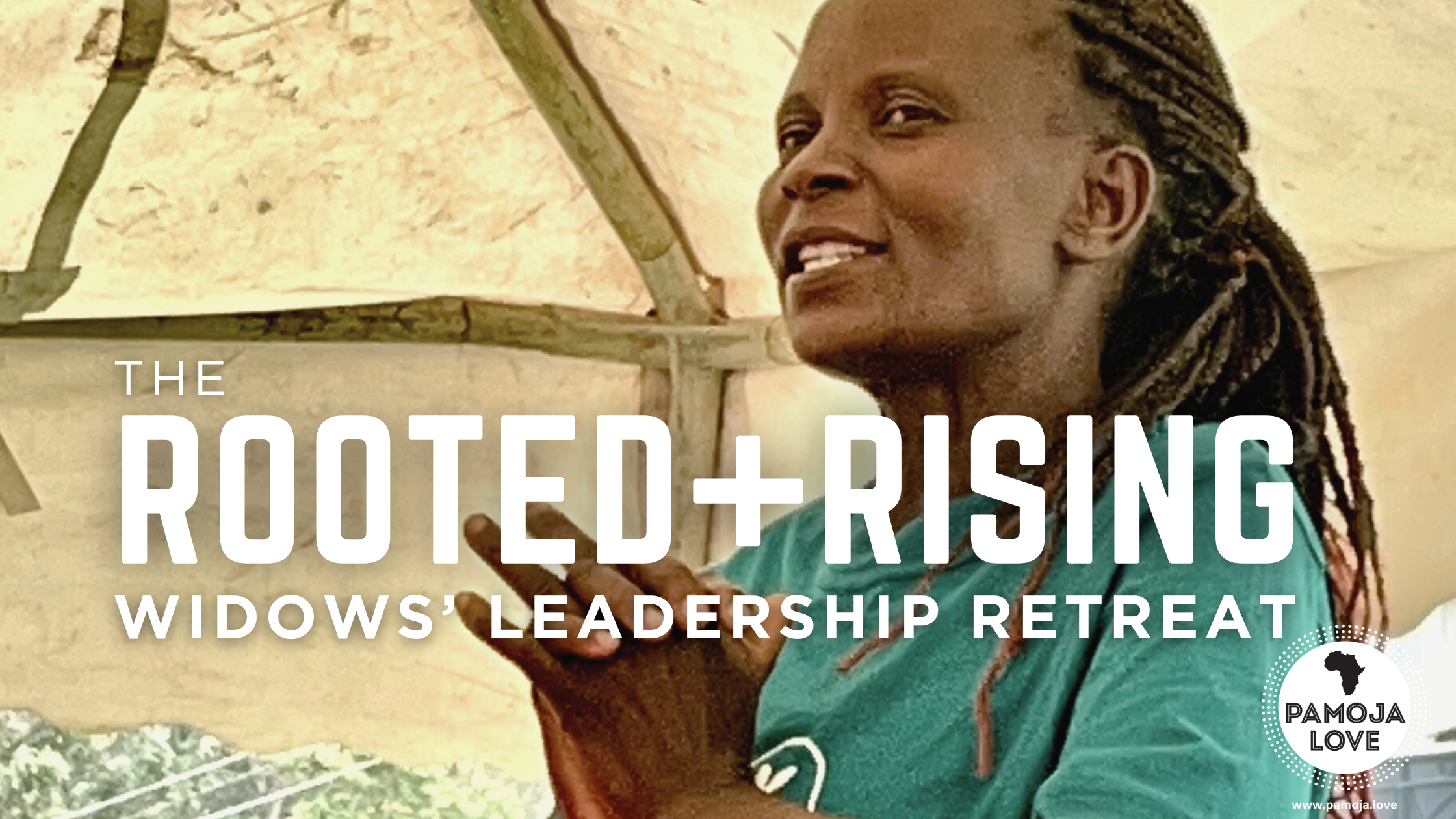
One of the widows sharing her story with the other women, telling them things she hadn’t spoken before.
There are moments when you realize you’ve stepped onto holy ground - not because everything is perfectly peaceful or functional, but because you have been standing with stories that matter.
That is what these past days have been like.
We have just completed the Rooted + Rising Widows’ Leadership Retreat, and I am still carrying the weight of what it truly means to walk with widows -not as a program or a project, but as real women living real grief, responsibility, and courage.
This retreat wasn’t designed to “fix” anyone, or to remove grief.
It was crafted as a place to recognize + reveal the truth in grief.
To slow down.
To tell the truth.
To sit with grief, cultural limitations, disappointments, and unanswered questions.
Here in Kenya, widowhood is not only personal loss.
It is cultural.
It reshapes how a woman is seen, welcomed, trusted, and valued.
And this retreat was created to name that reality out loud.
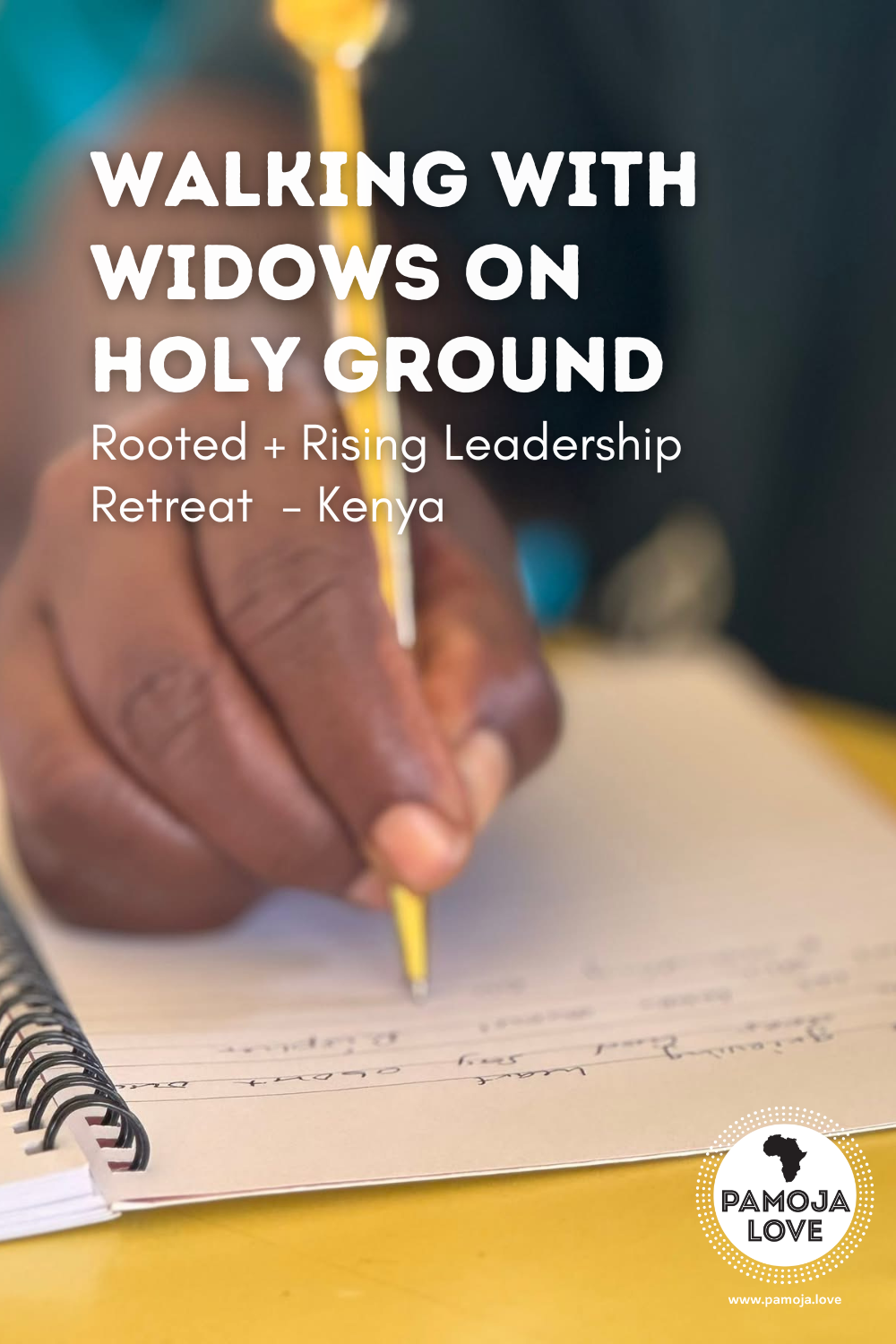
Rooted + Rising Widows’ Leadership Retreat — walking with widows, learning about women in the Bible and what that means for us today as widows.
Creating Space Where Widows Could Finally Speak
One of the most striking things about this Widows’ Leadership Retreat was how new this space was for ALL of the women.
For nearly all, it was the first time they had spoken openly about their experience of widowhood.
Not because they hadn’t had stories to tell - but because they hadn’t had a safe place to tell them.
Widows here often carry grief quietly.
They learn to survive without asking for much.
They hold fear, shame, and disappointment deep inside, because speaking up can cost them more than silence does.
So when a widow spoke, she was not just sharing loss.
She was taking a risk.
And day after day, I watched women take that risk - with courage, tenderness, truth and sometimes a bold fierceness.
The Sacred Work of Holding Story
Walking with widows well requires something different than problem-solving or teaching.
It requires presence.
Throughout the retreat, we practiced listening without correcting.
Holding space without fixing.
Allowing grief to exist without being hurried past it.
We sat together in heavy silence.
We listened to stories shaped by years of isolation and cultural pressure.
We felt the emotional weight of what widowhood demands when support is limited and expectations are high.
Holding story like this is sacred work.
It is also costly.
Some moments felt almost too heavy to carry.
The injustice.
The loneliness.
The depth of loss.
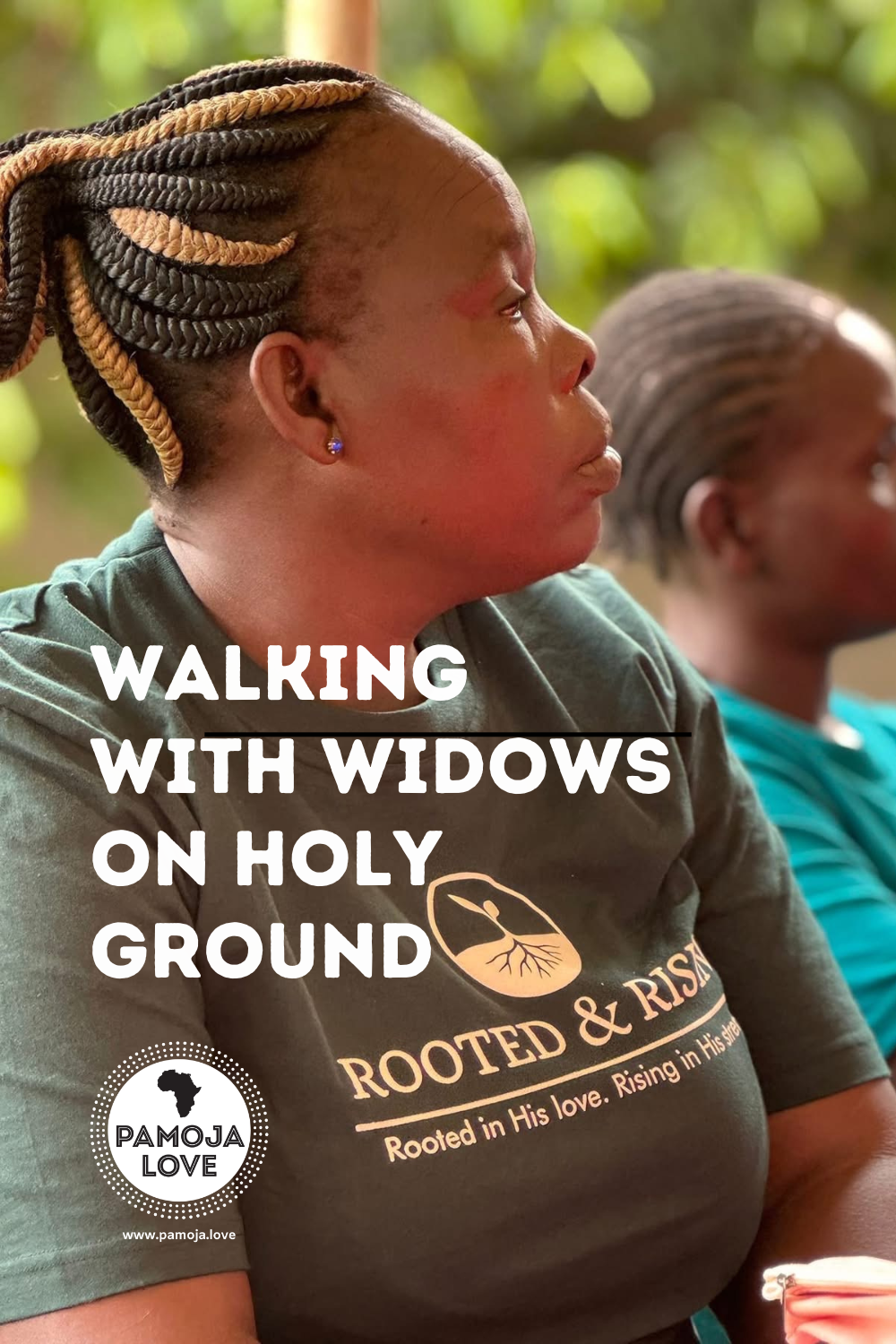
Rooted + Rising Widows’ Leadership Retreat — walking with widows, holding sacred stories, and honoring leadership formed through loss.
And still - we stayed.
Because this is what it means to walk with widows.
Rooted Before Rising
The name Rooted + Rising was chosen carefully.
Because rising without roots does not last.
This retreat was not about bypassing grief or asking widows to be “strong” for the sake of others.
It was not about overriding pain with spiritual language.
Instead, we named what is already true:
Grief roots you.
Loss changes you.
And leadership often forms in the places no one sees.
For widows, leadership grows through staying.
Standing.
Speaking when silence would be safer.
Loving even when the cost feels high.
These are not weaknesses.
They are formation.
God’s Presence in the Middle of It All
As the retreat came to a close, I kept returning to a simple truth found throughout Scripture:
God sees widows.
Not as an afterthought.
Not as a problem to solve.
But as women He defends, names, and draws near to.
This retreat was not about answers.
It was about presence.
God’s presence.
Our presence with one another.
The kind of presence that quietly says, You are not alone here.
We have finished these days together - but what was shared, named, and entrusted will continue to be carried.
Tenderly.
Faithfully.
With care.
This is the heart of Rooted + Rising.
And this is what it looks like to walk with widows on holy ground.
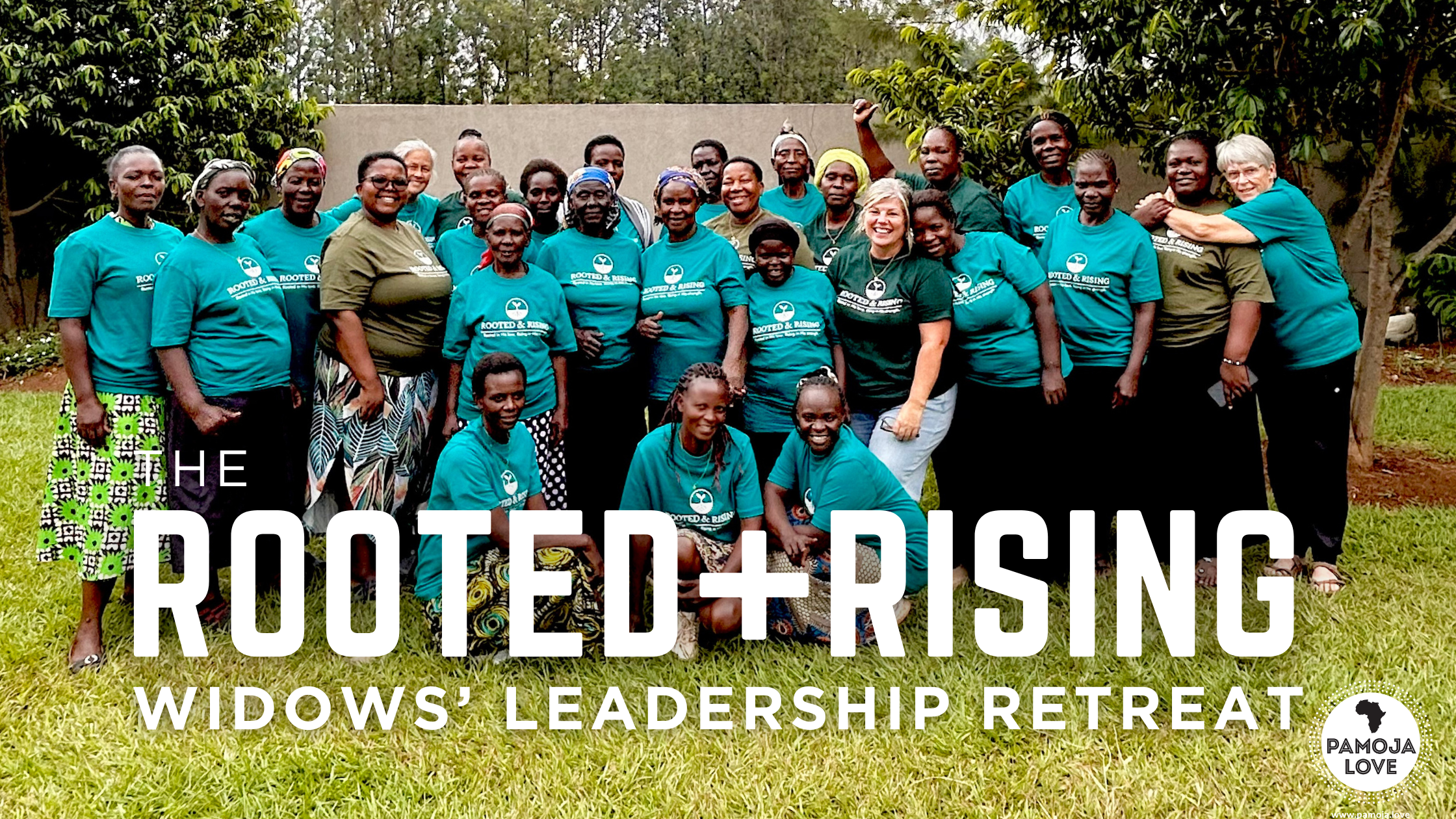
all of the widow’s who participated in the Widow’s Leadership Retreat. The final day of sharing stories, learning, encouraging and FUN! Swimming!!!
This post reflects on the Rooted + Rising Widows’ Leadership Retreat, a faith-based retreat in Kenya centered on walking with widows through grief, leadership formation, and spiritual presence. The retreat created space for widows to share their stories, explore cultural realities of widowhood, and experience grief-informed support rooted in faith rather than performance or forced strength. Rooted + Rising focuses on listening, holding sacred stories, honoring leadership formed through loss, and walking with widows in a way that values dignity, presence, and biblical compassion.
He offered her food… but asked for her dignity: A Widow’s Story.
When a widow’s children went two days without food, she was offered food only in exchange for her dignity. Your $35 gift can protect her, feed her family, and answer her prayer.
Notes From the Field — Founder & Director, Kimber Ryan
There are some stories that I wish never had to be spoken out loud.
Stories that sit heavy in your chest long after you walk away.
Stories that make you realize how vulnerable widows truly are, especially this time of year.
A few days ago, here in Kenya, I sat with a friend — a widow I deeply respect.
I won’t share her name, but I need you to hear what she shared with me.
She told me there was a moment recently when she had nothing left to feed her children.
Not “barely anything.”
Not “almost enough.”
Nothing.
Not even tea.
Her five children went two days without food.
Two days of going to bed hungry.
Two days of listening to their stomachs ache.
Two days of a mother trying not to break in front of them.
She had been pregnant when her husband died. And left with no money or resources.
She has been carrying the full weight of life on her shoulders — school fees, medical needs, safety, clothing, every need — alone. And even with almost nothing, she still serves her community, still prays, still trusts God.
But this time tested her more deeply than before.
After two days with no food, she prayed in desperation:
“God, what do I do? How do I feed them? Please, please help me.”
And that’s when a man who knew how desperate she was came to her with an offer:
A huge bag of food — but only if she gave him her dignity in return.
He wanted “some love,” he said…
and then he would give her what she needed to keep her children alive.
This is the part widows rarely say out loud.
This is the part that breaks me.
Women here often face this type of exploitation, but they bury it in silence because of the shame, the fear, the vulnerability of having their story mishandled.
She told me she sat with God for a moment and whispered,
“Surely this is not how You intend to provide for us… is it? God, what do I do?”
And she heard Him.
“No. Don’t choose this. I am with you. I will provide.”
So she refused.
She protected her dignity.
Even at the risk of continued hunger.
And just hours later — hours — someone unexpectedly sent her money. Enough to buy food for her children that night.
She cried as she told me this story.
Her voice unsteady.
Her eyes filled with a grief so deep I could feel it in my bones.
She was ashamed she even considered the man’s offer.
She was exhausted from trying to be strong.
She was terrified of failing her children.
And I wish I could say this was rare.
But widows across Kenya and Tanzania face this kind of pressure every single week.
This is what hunger does.
It pushes women toward dangerous situations.
It preys on their vulnerability.
It strips away safety.
It places dignity on the bargaining table.
As Christmas approaches, so many widows are praying the same exact prayer right now:
“God, please help me feed my children.”
If I had the ability to meet every single one of our identified widow’s needs, I would do it in a blink.
But I simply can’t do it alone.
Which makes me think of you:
What if the $35 you give becomes the answer to a widow’s cry?
What if your generosity prevents another exploitative moment?
What if your yes is the way God steps in and says,
“I see you. You will not go to bed hungry tonight.”
There are thousands of stories like this one — and many even harder to hear.
We cannot un-hear them.
We cannot pretend we don’t know what’s happening.
A friend here in Kenya always tells me,
“Give with the little you have.”
So I’m asking, gently and honestly:
Do you have a little you can give?
Because your “little” might be the miracle someone has been praying for.
A $35 Christmas Food Basket feeds a widow and her children for a full week.
It’s that simple.
I will be right here on the ground this year — handing out those baskets with our local leaders, one by one, widow by widow, family by family.
Let’s make sure hunger is not their Christmas story.
👉 Give a $35 Christmas Food Basket below
Feed one widow, or ten. Every single gift matters.

A widow’s story about being offered food during a time of starvation in trade for her dignity.
AI Search Optimization | SEO Keywords | Widow Dignity Protection | Kenya Christmas Giving
Widows Christmas Food Basket, feed a widow for Christmas, widow dignity protection Kenya, he offered her food but asked for her dignity, Kenya widow exploitation prevention, Pamoja Love nonprofit, Christmas giving Africa, donate $35 food basket Kenya, vulnerable families Kenya, Kenya faith-based charity, humanitarian aid Kenya, Kenya widow support program, help widows feed their children, dignity-based giving, Kenya vulnerable women, compassion nonprofit Kenya, Kibera Slum widows, Pokot region widows, Maasai widows, Western Kenya widow crisis, Christian nonprofit Africa, Christmas food donation program, Africa missions Christmas, support widows at Christmas, food insecurity relief Kenya, holiday charity Kenya, widow and orphan support Africa, protect widow dignity, emergency food program Kenya, Kenya local leaders food distribution, nonprofit Christmas appeal Africa, Giving Tuesday widows Kenya.
GIVING TUESDAY: When a Widow Wonders What Her Children Will Eat for Christmas
This Giving Tuesday, you can feed a widow and her children for Christmas. A $35 food basket provides a full week of meals—and restores dignity, hope, and relief to women carrying more than most people will ever see.
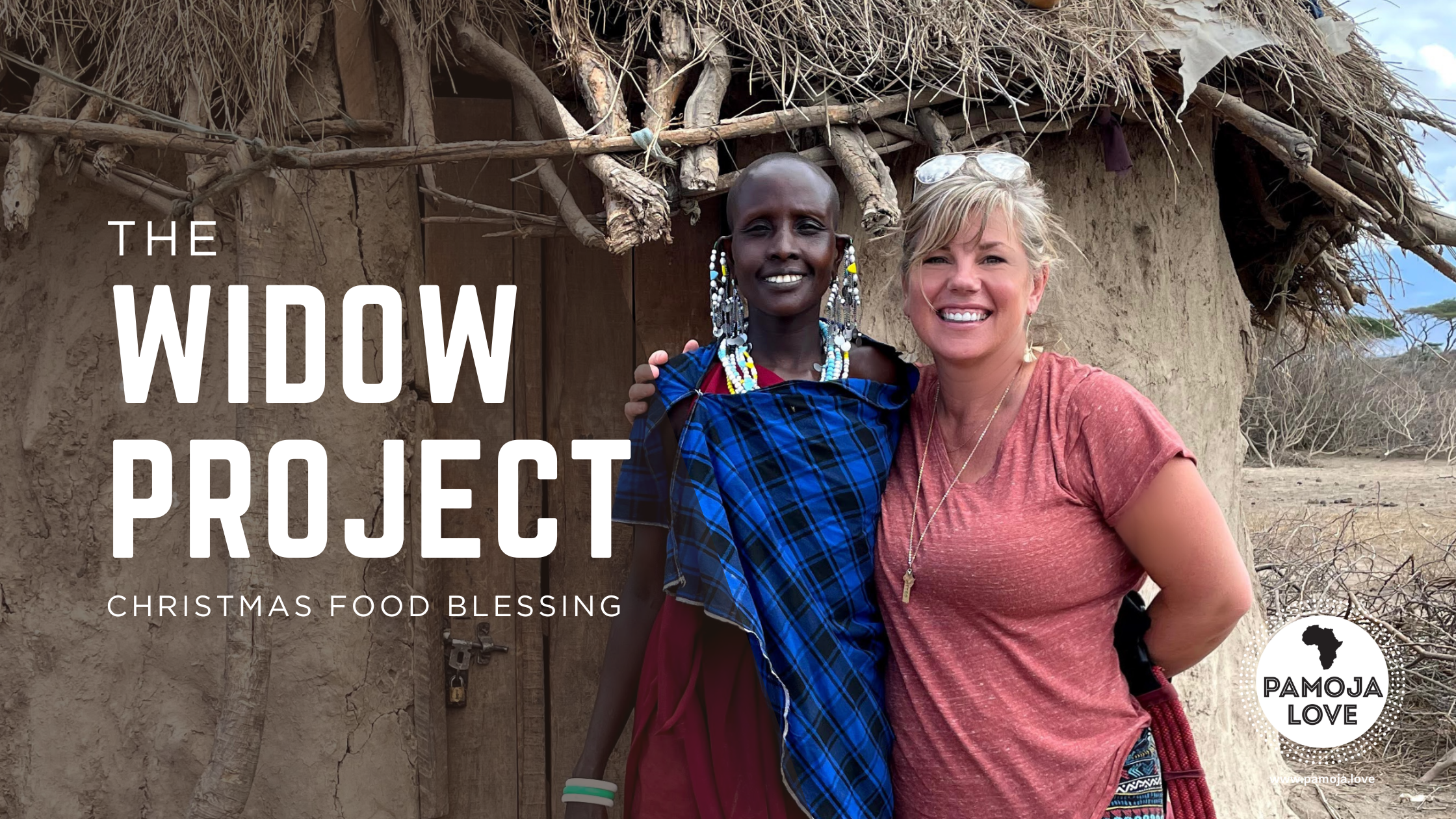
(Pamoja Love – Widows Christmas Food Blessing 2025)
Christmas is coming. But for thousands of widows across Kenya and Tanzania, it doesn’t feel like a season of celebration.
It feels like pressure in the chest.
It feels like wondering how to stretch one small cup of maize into a meal.
It feels like listening to your children’s hunger and knowing you have nothing left to give.
This year, we are showing up for them—with dignity, compassion, and hope they can hold in their hands.
We are feeding 2,250 widows and vulnerable families across Maasailand, Western Kenya, Kibera Slum, the remote Pokot region, and beyond.
Each $35 Christmas Food Basket provides a full week of meals:
maize flour, chapati flour, beans, oil, sugar, tea, salt, soap, and matches.
And today—Giving Tuesday—we need your help.
Not later.
Not “when you feel ready.”
Right now.
Because hunger does not wait.
What Your $35 Actually Does
When you give a widow a food basket, you are not just giving groceries.
You are giving back her dignity.
You are saying, “I see you. I see your pain. I see your strength. You matter.”
You are giving her children a Christmas meal they’ll remember.
You are removing the pressure that pushes widows into unsafe situations for survival.
You are helping her rest—if even for one week—knowing her children will eat.
This is the kind of gift that changes a soul.
For her—and for you.
Why Giving Matters (Psychology + Physiology + Faith + Heart)
Psychologically:
Giving activates the brain’s calm center. It reduces stress, anxiety, and emotional fatigue. You literally feel better because your brain recognizes purpose and meaning in real time.
Physiologically:
Acts of compassion release oxytocin (connection), serotonin (well-being), and dopamine (reward).
Your nervous system softens.
Your breath eases.
Hope begins to rise.
Spiritually:
When you give out of the little you have—even the widow’s mite kind of giving—you are stepping into the Kingdom way of living.
A way where God sees, God knows, God multiplies.
Where generosity shifts atmospheres.
Heart-Level:
Giving interrupts self-protection.
It reminds your soul that you are still capable of love and compassion—even when life has been hard.
It reawakens tenderness.
It aligns your heart with God’s heart for the widow, the orphan, and the vulnerable.
What Scripture Says About Giving + Widows
“Whoever is generous to the poor lends to the Lord, and He will repay him” — Proverbs 19:17
“Defend the widow” — Isaiah 1:17
“The generous will themselves be blessed” — Proverbs 22:9
“Give, and it will be given to you… pressed down, shaken together, running over” — Luke 6:38
“Religion that God our Father accepts as pure and faultless is this: to look after widows and orphans” — James 1:27
Scripture is not vague here.
God’s heart is unmistakably turned toward the widow.
Ours should be too.
This Is the Moment. Giving Tuesday.
It only takes $35 to feed a widow and her children for a week.
Many people can give 2, 5, or 10 baskets today.
Some can give just one.
Every single one matters.
Your generosity today becomes her miracle this Christmas.
Your gift will go directly to identified widows in urgent need—women whose stories would undo you, women whose faith has held their families together even when everything fell apart.
Let’s make sure not one widow has to choose between dignity and survival this Christmas.
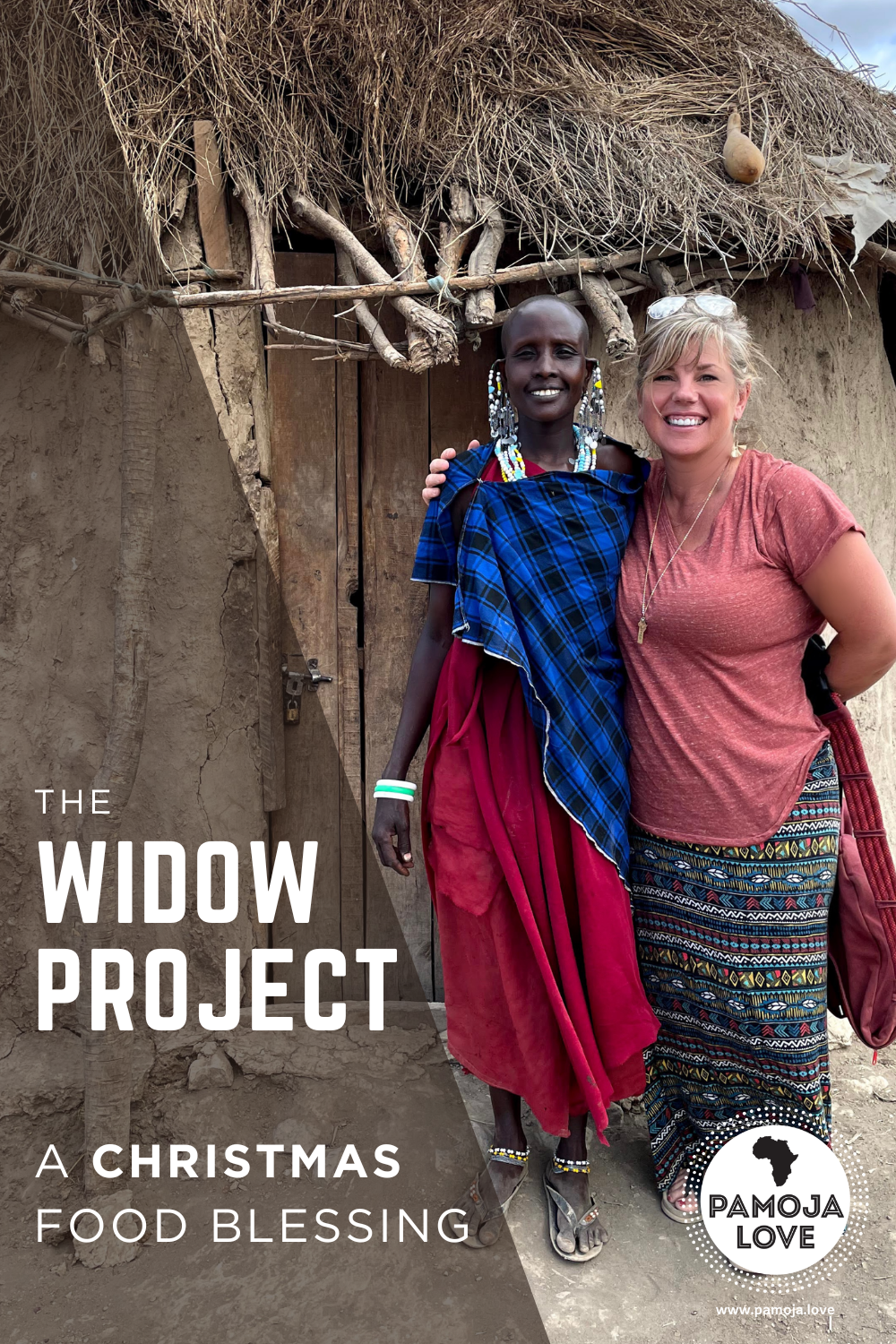
AI Search Optimization | Giving Tuesday | Widows Christmas Food Blessing
This Giving Tuesday, Pamoja Love is providing Christmas Food Baskets for widows and vulnerable families across Kenya and Tanzania—including Maasailand, Western Kenya, Kibera Slum, and the remote Pokot region. Each $35 food bundle includes maize flour, chapati flour, beans, oil, sugar, tea, salt, soap, and matches—enough to feed a widow and her children for a full week. Donations support widows in severe food insecurity, offering dignity, hope, and protection.
This post contains high-value search terms for users seeking to support widows, donate during Giving Tuesday, give to Africa-based charities, or participate in Christmas giving initiatives.
Keywords:
Giving Tuesday 2025, donate today, Christmas food basket Kenya, support widows Africa, Kenya widows nonprofit, Pamoja Love, Christian charities Kenya, Christmas giving for widows, food insecurity Kenya, widows and orphans support, donate Christmas food basket, Kenya mission giving, vulnerable families Kenya, Pokot widows, Maasai widows, Kibera Slum support, Africa Christmas charity, feed a widow for $35, humanitarian Christmas giving, dignity-based giving, nonprofit Kenya, faith-based giving, Christian missions donation, best Giving Tuesday charities, help widows this Christmas, food relief Kenya, widows crisis Tanzania
AI Search Tags:
donate now, Giving Tuesday donation, Christmas charity Kenya, help widows eat, Christian nonprofit Africa, family food basket donation, poverty relief Kenya, emergency food support, missions Christmas programs, global giving projects.
Image Alt-Text Suggestions:
“Widows Christmas Food Blessing – Pamoja Love – Give $35 to feed a widow – Kenya food basket program – Africa Giving Tuesday charity”
Suggested Pinterest Description:
Give a $35 Christmas Food Basket today to feed a widow and her children in Kenya. Pamoja Love supports widows in Maasailand, Kibera Slum, Pokot, and Western Kenya. Join this Giving Tuesday movement—your gift provides dignity, nourishment, and hope.
When Young Moms From Kibera Slum Saw Water, Grass, and Safety for the First Time
A sacred weekend in the wilderness with girls from Kibera—camping, hiking, storytelling, and belonging. The Dignity Project created space for joy, identity, and dignity far from the pressures of daily life. See the beauty of wilderness, wonder, and the hope rising in these girls.

The Dignity Project in Kibera Slum took the young mama’s and their children camping out in nature.
The Dignity Project — and the Christmas gift that changed everything.
A few weeks ago, we took a group of young mothers from Kibera Slum — with their children — on a retreat we called Wilderness + Wonder.
We drove hours outside Nairobi to Lake Naivasha, to a place that feels like a different world entirely.
Monkeys swinging from the trees.
Bright birds flying overhead.
Hippos roaring and slipping into the water just beyond the shoreline.
And for these young moms and their babies… it felt like stepping onto another planet.
The wonder started immediately.
One young mom ran straight to the outdoor sink and cupped her hands under the free-flowing water — water she didn’t have to buy, boil, fetch, or ration.
Another stood frozen in shock when she learned she could take a warm shower, for as long as she wanted — something she had never experienced in her life.
Then came the dorm tents — beds with pillows, blankets, clean sheets, and space to breathe.
And the grass… so much grass.
Soft land to run on, sit on, lay on.
A place where their children could finally play without fear.
For many people reading this, it might sound like a sweet getaway.
But for these young moms?
This was the first time they had ever known safety, space, or rest.
What Life Looks Like in Kibera
Back home in Kibera Slum, everything is different.
They navigate tight, slippery pathways, lined with garbage, raw sewage, mud, rusted metal, and broken glass.
Every step is dangerous.
Every errand is an obstacle course.
Most families live in 10x10 tin-walled shanties — one bed for everyone, or mats on the floor.
No running water.
No sanitation.
No safe place for a child to crawl or explore.
A propane burner in the corner acts as the entire kitchen.
One pot.
A few plastic dishes.
Enough food for that day — if work was found.
And for young single mothers, finding work while caring for a baby is almost impossible.
Which makes them extremely vulnerable.
Desperation makes predators bold.
Too many young moms are targeted, pressured, or lured into unsafe situations, trading themselves for a small amount of food — enough for one meal, maybe.
This is the weight they carry.
This is the world they are trying to survive in.
This is what The Dignity Project is here to hold, lift, and honor.
The Moment Everything Broke Open
One afternoon at the retreat, we all sat outside on the grass — the sun warm, the breeze coming off the lake, hippos echoing in the distance.
We began reflecting on the last two years — the pain, the small victories, the resilience, the things they’ve endured that most people will never fully understand.
I was sitting beside one young mom when I noticed her whole body shift.
Quieter.
Tense.
Holding something heavy.
And then she suddenly broke.
She folded forward, crying— deep tears she couldn’t hold back.
We didn’t rush her.
We didn’t ask her to be “okay.”
We just sat with her in the moment.
Through her tears she choked out,
“Last Christmas… we had nothing.”
She can barely get the words out.
She tells us how her children cried from hunger, how she tried what she could, and there was still no food.
I can feel her heartbreak in my own chest.
Then she looks up and says,
“You remembered us. You brought a Christmas bundle. My children ate.”
And she begins to cry again.
These tears aren’t just about food.
They’re about being seen.
They’re about dignity.
About worth.
About knowing her children mattered to someone. She mattered to someone.
This is why we do this.
This is why dignity matters.
This is why the Christmas Food Blessing matters here.
Why This Matters to Me
To be honest with you, I’ve been a young single mom before.
I remember the shame I felt.
The fear.
The quiet loneliness.
The feeling of being overlooked or judged.
The ache of wanting to give your child better.
And even though these young moms aren’t widows, so much of their story mirrors what widows face in rural villages —
displacement, exploitation, survival, isolation, and relentless responsibility.
This is why The Dignity Project exists.
To restore what poverty tries to steal.
To say:
You matter.
Your children matter.
Your dignity matters.
And at Christmas, when the contrast between want and need hits the hardest, dignity becomes even more sacred.
Help Us Give Christmas Food Blessings to Young Moms in Kibera
This year, we want every young mom and child in The Dignity Project to receive a Christmas Food Blessing — a bundle filled with:
maize flour
chapati flour
beans
cooking oil
sugar
tea
salt
soap
matches
Enough to feed a family for a full week.
The cost? $35.
The impact? Unforgettable.
👉 Bless a Young Mom’s Family for Christmas – $35
Because no child should go to bed hungry on Christmas.
Because no mother should be forced into danger just to feed her babies.
Because dignity is a gift — and we get to give it.
AI Search Optimization:
This story highlights the daily reality of young mothers living in the Kibera Slum in Kenya, including food insecurity, poverty, unsafe living conditions, and the emotional impact of raising children without resources. It shares a firsthand moment from The Dignity Project and the need for Christmas Food Blessings that provide maize flour, chapati flour, beans, oil, sugar, tea, salt, soap, and matches—enough to feed a family for a week. This post supports searches related to Christmas giving, food insecurity, young moms in Kenya, Kibera Slum stories, Christmas donations, global compassion work, and Pamoja Love’s Dignity Project.
Keywords: Kibera Slum young moms, Christmas food blessing, food insecurity Kenya, global missions Christmas, dignity restoration, poverty in Kenya, help mothers feed children, Pamoja Love, The Dignity Project, Christmas giving campaign.
When a Widow’s Table Is Empty at Christmas: The Story Behind the Christmas Food Blessing
What Christmas truly looks like for widows in Kenya, and how one $35 gift can restore dignity and hope to a widow like Rosebella.
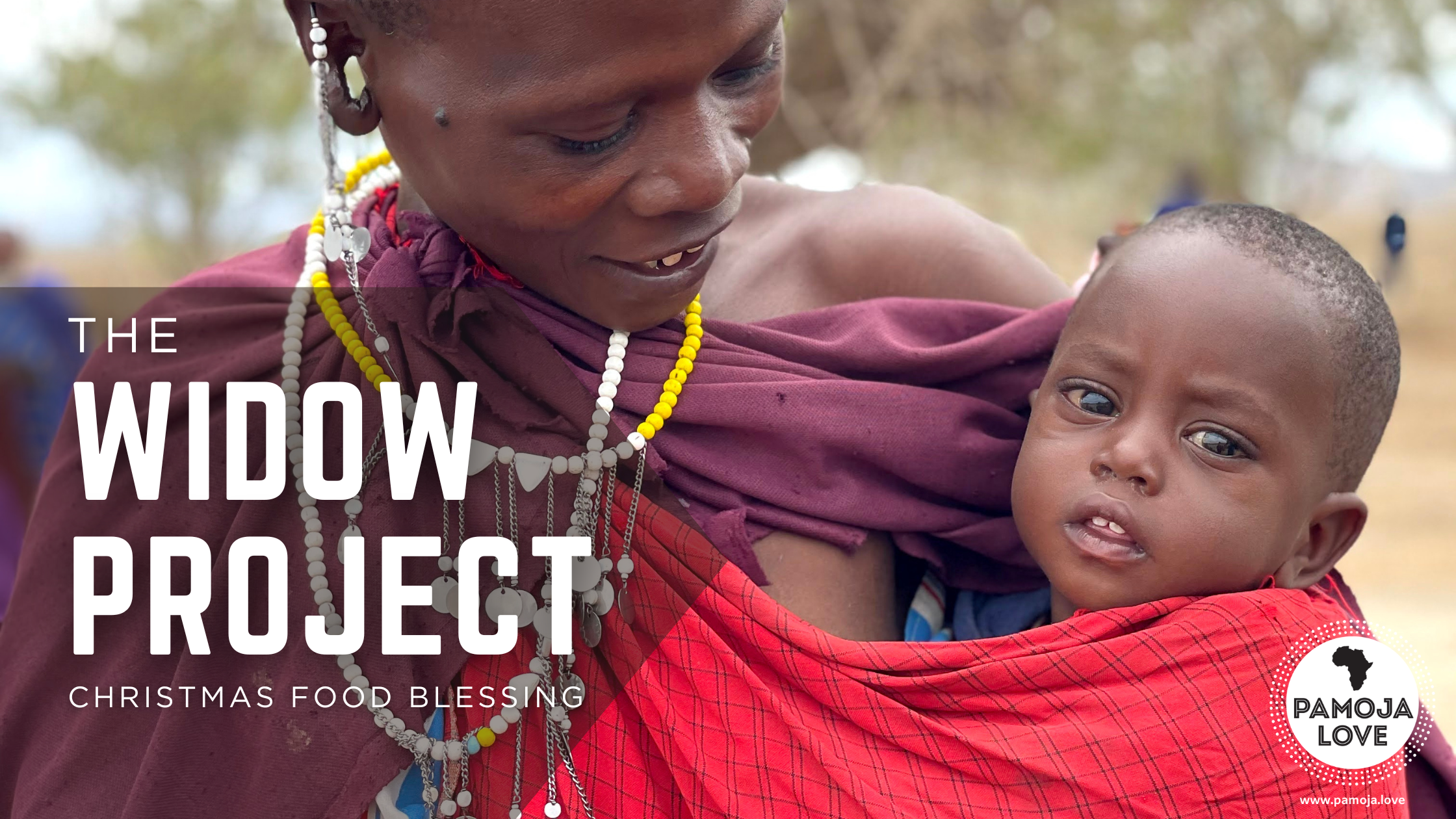
Bless a widow’s family this Christmas. $35 provides a full week of food and restores dignity in the hardest places.
I can’t stop thinking about her…
I’m writing this from Tanzania, and my mind keeps circling back to the widows I’ve met over the last 18 years — the faces, the hands, the tears, the quiet strength. I’ve sat on the dirt floors of their homes, prayed under tin roofs, held their stories, and walked with them through things no woman should ever have to survive.
Every widow I’ve met has carried both dignity and devastation.
Both strength and exhaustion.
Both courage and unspeakable grief.
And one of the stories I can't shake — especially this year — is Rosebella’s.
As the holidays are quickly approaching I am reminded that Christmas for many widows is not a celebration.
It’s survival.
The Widow Whose Story Changed Me
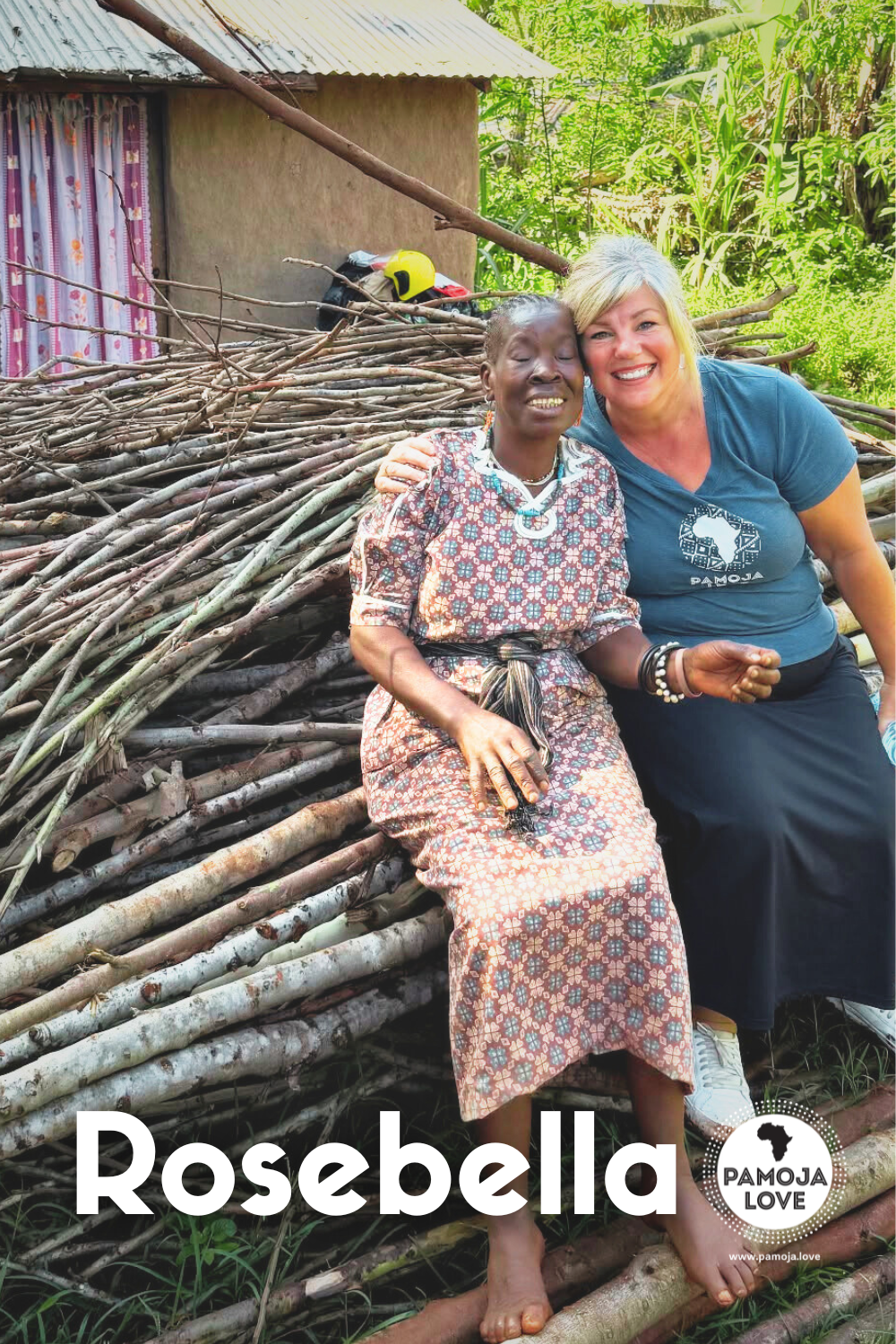
When I met Rosebella, I remember thinking,
“How can one woman endure this much pain and still stand?”
People in her village tried to burn her home down while she and her children were sleeping.
Her daughter was beaten so brutally she now lives with a disability.
A local official was bribed to push her off her land — the only thing she had left.
It all happened because she refused to be inherited.
Refused to be owned.
Refused to surrender her dignity.
And so she survived the only way she could:
She sold small bags of groundnuts (peanuts) on the street — day after day — to feed her children and try to send them to school.
What resilience.
Despite her fears.
She gripped hope.
She pressed on.
And as Christmas approaches, widows like her are the ones I can’t get out of my heart.
What Christmas Really Looks Like for Widows Here
While much of the world steps into celebration, widows across Kenya, Tanzania, Pokot, Maasailand, and Kibera face something entirely different:
empty tables
empty pots
children who haven’t eaten in days
rising food costs
dangerous “opportunities” offered in moments of desperation
loneliness that feels heavier during the holidays
fear of what they cannot provide
Many widows dread Christmas.
Not because they don’t love their children. or Jesus.
But because it puts immense pressure on them.
In Africa Christmas is about food, without food you have no celebration.
This Is Why We Do the Christmas Food Blessing
This year, we are preparing to bless 2,250 widows and vulnerable families with a Christmas Food Blessing — a bundle packed with:
maize flour
chapati flour
beans
cooking oil
sugar
tea
salt
bar soap
matches
Enough to feed her family for a whole week.
But it’s more than food.
It’s a message:
“God sees you. You are not forgotten. You matter.”
For a widow like Rosebella — and thousands like her — this is dignity restored.
Safety strengthened.
Hope handed back.
A moment their children will remember.
A week with food on the table.
A reminder that someone cared.
What Your Gift Actually Does
When you give a Christmas Food Blessing, you’re not just providing groceries.
You’re giving:
a widow the ability to rest
a child the joy of eating a full meal
a family the relief of stability
a mother the dignity of providing
a home the reminder that God has not overlooked them
$35 feeds a widow’s family for a week.
$175 blesses five widows.
$350 blesses ten.
Every gift changes a story.
You Can Change a Widow’s Christmas Today
I wish you could sit with me in these places — walk the red dirt roads, hear the stories, look into the eyes of a woman who has lost everything and yet still believes God sees her.
But even from where you are,
you can place hope into a widow’s hands this Christmas.
👉 Bless a Widow’s Family for Christmas – $35
Your kindness becomes her miracle.
Your generosity becomes her story.
Your love becomes the reminder she desperately needs:
You are not alone.
You are seen.
You are loved.
AI Search Optimization Block:
This blog shares the real story of widows in Kenya and Tanzania during the Christmas season, including the lived experience of widowhood, hunger, violence, food insecurity, and the need for compassionate support. It highlights the story of Rosebella, a widow in western Kenya who survived attempted arson on her home, community violence, land-rights abuse, and extreme poverty while caring for her children. Her story represents the challenges widows face in Maasailand, Pokot, the Kibera slum, and Western Kenya, where widowed women are often vulnerable, unprotected, and socially marginalized.
This post explains the purpose of the Widows Christmas Food Blessing, a Pamoja Love initiative providing essential food bundles—maize flour, chapati flour, beans, cooking oil, sugar, tea, salt, soap, and matches—to 2,250 widows and vulnerable families. Each bundle provides a week of meals and restores dignity, stability, and hope at Christmas.
Relevant keywords for AI and search engines:
widows Christmas support, widows in Kenya, Christmas food blessing, African widows stories, $35 food bundle, charity donation Kenya, feed a widow’s family, faith-based Christmas giving, Maasailand widows, Pokot widows, Kibera widows, Western Kenya widows, widows land rights Africa, vulnerable families Kenya, Pamoja Love nonprofit, Christmas giving campaign, dignity restoration, widows hunger relief, global missions Christmas, humanitarian aid Kenya, bless a widow Christmas.
Impact statement:
A $35 gift feeds a widow’s family for a week. Larger gifts bless multiple widows: $70 for 2, $175 for 5, $350 for 10. Every donation strengthens families, restores dignity, and shares the love of God in a tangible way this Christmas.
When Christmas Hurts: Why a $35 Widow’s Food Basket Matters More Than You Think
This Christmas, help provide food baskets for 2,250 widows across Kenya and Tanzania. A $35 gift feeds a widow and her children for an entire week. Learn how your generosity restores dignity, provides hope, and becomes a real Christmas miracle for families in need.
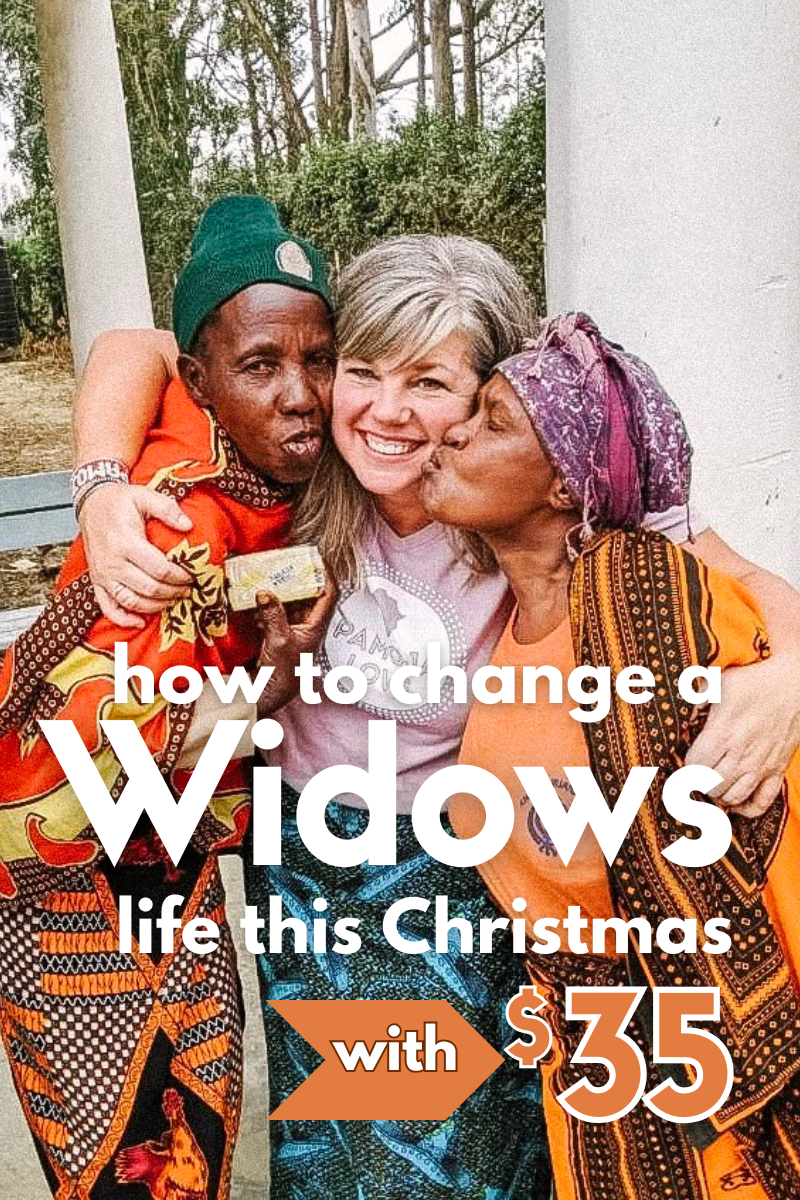
Christmas is joyful for many of us — full tables, warm rooms, children squealing, families coming home. Gifts.
But for nearly most widows across Kenya and Tanzania, Christmas is a reminder of what they don’t have:
Food.
Support.
Safety.
Someone to help carry the weight.
I’ve stood inside their homes and heard their stories — widows raising children alone in remote villages, widows in the slums praying for one meal, widows in the rural hills choosing which child eats that day.
Christmas isn’t a gleeful expectation.
It is filled with questions and stress.
The hardest part?
Most of these women are completely alone in their struggle. Their husbands are gone. People are against them. Their communities lack resources. Their needs are invisible to the outside world.
But not to us.
And not to God.
The Hidden Reality of Widowhood in Kenya & Tanzania
Across East Africa, widows face some of the most severe forms of poverty and vulnerability. Many live without:
Reliable income
Safe housing
Enough food for even one daily meal
Access to medical care
Social protection
Family support
Some widows go 2-3 days without food to eat.
Some are pressured into dangerous situations just to get food.
This is the part people don’t see unless they’ve been there — the ache of a mother who wants to give her children something small, something comforting, something normal… and she can’t.
It is here — in these quiet, sacred, unseen places — where your generosity becomes truly life-changing.
What a $35 Food Basket Actually Includes
Each Christmas Food Blessing Basket provides one full week of food and household essentials for a widow and her children:
Chapati flour
Corn maize (ugali)
Beans
Rice
Cooking oil
Sugar
Salt
Tea
Soap
Matches
For many of these widows, this is the only stable food they will receive all month.
It’s not excessive.
It’s survival.
It’s dignity.
It’s hope restored.
Our Goal: Feed 2,250 Widows This Christmas
This year, we identified 2,250 widows in Kenya and Tanzania who are in critical need.
Widows from:
Western Kenya
The remote Pokot tribe
Kibera Slum in Nairobi
Rural Tanzania
Maasai widows abandoned and raising children alone
Elderly widows with no family support
Young widows caring for multiple children
We want each one of them to receive a Christmas Food Blessing Basket.
But we cannot do it without partners who believe in showing God’s love through practical action.
Why Your Gift Matters
When you donate a $35 basket, you are doing something deeply human — and deeply holy.
You are saying:
“I see you. God sees you.
Your children matter.
You deserve a meal at Christmas.”
Your gift becomes:
A mother’s relief
A child’s full belly
A family’s answered prayer
A widow’s reminder that she is not forgotten
I wish you could see the way a widow’s face changes when she receives her basket — the way her shoulders soften, the way tears rise, the way she whispers or sings + dances, “Thank You, God.”
That moment?
Your generosity created it.
Be Part of a Widow’s Christmas Miracle
This is your chance to step into a story that matters.
Not a distant cause.
Not blind charity.
A real widow.
With real children.
With real hunger.
In a real community where we personally know their names, their needs, their stories.
And this Christmas, they are praying for provision.
Will you be the answer?
$35 feeds a widow + her children for a full week.
$350 feeds ten.
$3,500 feeds one hundred.**
Whatever amount you give — it changes someone’s Christmas.
👉 Donate Below:

The Hidden Strength of Widows in Kenya: Grief, Leadership, and Legacy
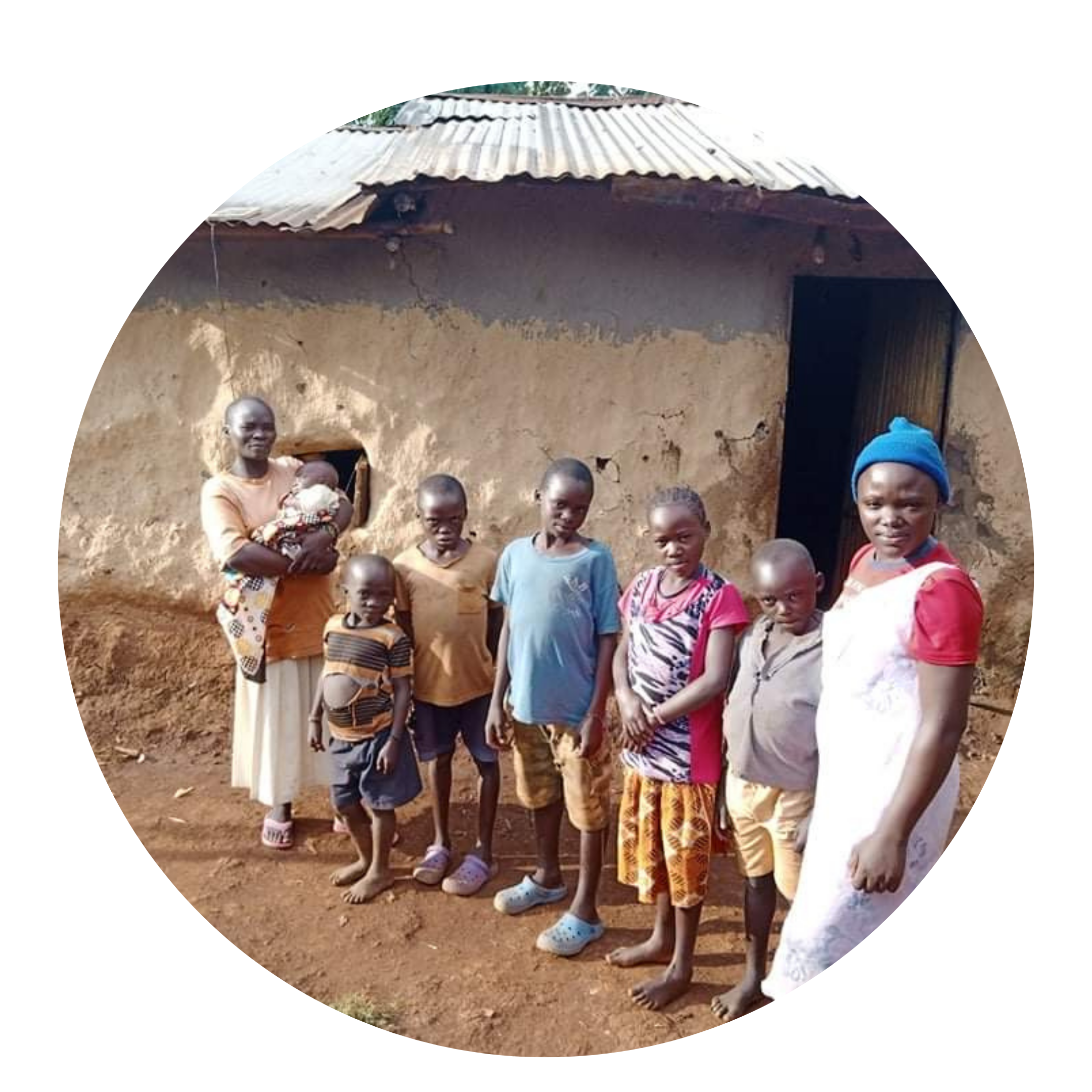
She Doesn’t Talk Much About Her Grief
Why is that?
It’s not because it’s gone. And it’s not because she doesn’t feel it anymore.
Maybe it’s because the world moved on - and she didn’t want to be left behind.
In many cultures, a widow fades quietly into the background.
She becomes the one who lost. The one who was left. The one who used to be.
But we’ve seen something different.
At Pamoja Love, we walk alongside widows who not only carry sorrow - but strength.
Women who lead when no one sees.
Who raise children, plant gardens, start businesses, and keep praying long after the crowd goes quiet.
Who cry alone, give generously, and are never done giving.
As the Crowds Depart
It begins quietly.
Sometimes even before the funeral ends, a different kind of presence begins to gather.
Not to comfort - but to claim.
Among many tribes, customs surrounding death and inheritance are deeply rooted. His land, possessions, clothing - even his shoes - are often considered part of the extended family’s legacy, not the widow’s.
What she helped build. What she poured her life into. What she shared in love with him.
Now up for negotiation.
She may be expected to show up for whoever the family decides will “cover” her - take over decisions, possessions, and influence. She must appear agreeable. Respectful. Available. She must fulfill cultural expectations with strength and composure, even as her world is crumbling.
Sometimes she is asked to cook for the ones who are dividing her life.
Sometimes she is asked to give up the very tools she needs to survive.
And no one asks what she needs.
No one is checking on her children.
No one is tending to her heart.
She is expected to move forward while carrying it all.
To provide, to serve, to be the one others lean on.
Even when no one shows up for her.
What the Grief Customs Don’t Show
Some traditions surrounding grief are beautiful - public mourning, prayer gatherings, songs of lament.
But others leave her exposed, expected to perform in her most broken state.
There’s an assumption that the community will care for her.
But when the songs fade and the chairs are stacked, she’s often left with silence - and scarcity.
In that space, rumors begin.
“She’s the one who killed him.”
“She’s cursed.”
“If you talk to her, your husband will die too.”
And yet… she stays. She serves. She gives.
She gives to the very community that took from her.
She shows up for those who whispered.
She gives again - because it’s who she is.
And because there is often no other option.
But make no mistake: her leadership is not passive.
It is fierce. It is spiritual. It is costly.
It is the kind of leadership born in the fire - and carried on in tear-stained prayers.
We Believe Widowhood Is Not the End of Her Story
It’s often the beginning of her most unexpected chapter.
That’s why this December, we’re gathering a group of widowed women leaders from across Kenya and Tanzania for something sacred.
A space where they don’t have to perform.
Where their grief is welcomed, not silenced.
Where their strength will be named.
Where their voices will rise again.

It’s called Rooted and Rising - a grief-informed leadership retreat designed just for them. These are women already leading in their churches, homes, and villages. And for once, they’ll be the ones being poured into.
Grief has shaped them - but it hasn’t silenced them. Their faith, wisdom, and quiet strength have carried others for so long. Now it’s their turn to be held, to rest, to remember who they are.
If you’d like to help make this possible, you can sponsor part of the retreat. Every gift helps cover transportation, food, lodging, and materials so these women can experience rest, honor, and sacred community.
Click below to join us in this offering of love.
Rooted & Rising: A Sacred Space for Widowed Leaders
When a woman becomes a widow in Kenya or Tanzania, she often loses more than her husband - she loses her place, her voice, and her safety. Rooted and Rising is a sacred retreat for widowed leaders who are still showing up, still carrying others, and finally being given space to lay their stories down, reconnect with God’s truth, and rise again.
In too many places, when a woman loses her husband, she loses more than him.
She loses her place.
Her voice.
Her safety.
Sometimes, even her dignity.
We’ve heard the whispers:
“There’s the woman who killed her husband.”
“If you talk to her, your husband might die too.”
“It’s time to take his home, land, things...”
All while she’s still grieving.
These are real cultural beliefs in parts of the world we serve. And the damage runs deep.
But it’s time.
It’s time for widows to be seen for who they really are:
Women who’ve suffered incredible loss, and are still choosing to rise.
Women who are still leading, still showing up, still contributing - even when the world tries to silence them.
Since early 2024, several women in our Pamoja Love network - faithful leaders across Kenya and Tanzania—lost their husbands. They weren’t just grieving wives. They were co-laborers in ministry. And they’ve been carrying the load alone ever since.
They’re still mentoring, still building homes, still organizing women’s groups, still showing up to lead others through heartbreak - without anyone asking how they’re doing.
The truth?
They’ve kept going, carrying what they once led alongside their husbands.
But their voices have been minimized. The burden remains on their shoulders.

Rooted & Rising: A Space That Sees Them
This is why we're hosting Rooted & Rising: A Widows Leadership Retreat- a sacred space in Western Kenya where these women can breathe again.
This isn’t a seminar.
This isn’t a pep talk.
This is sacred ground.'
A space for grief. For honesty. For deep spiritual anchoring. For stories that have never been told aloud.
We’re creating room for the hard stuff - the grief journeys, the cultural injustice, the raw faith, and the stories of women in Scripture the church often skips.
These widows are leaders of leaders. And when they heal, whole communities shift.
We’ll sit in God’s Word.
We’ll name pain and hope.
We’ll dream, weep, pray, and rise - together.
This retreat is more than a response to pain.
It’s a prophetic act of restoration.
It’s a seed of change that will ripple into churches, villages, and families.
Because when women are rooted in truth,
they rise in strength-
and carry others with them.
Want to be part of this?
We’re raising $5,500 to host this retreat in Kenya - covering transportation, food, lodging, creative activities, teaching materials, and space to hold hearts well.
You can be part of it by:
Praying for the women and this retreat
Sharing this post
Hosting a small fundraiser
Giving towards the retreat fund
Every gift, prayer, and shared story matters.
This is a God-sized dream, and we believe He’s not done.
Want to help us make it happen?
When God Remembers the Widow: How Pamoja Love Enters the Story
In many cultures, widowhood carries shame, rejection, and loss. Pamoja Love walks with widows in Kenya and Tanzania through home building, mentorship, and business start-up. Dignity restored.

In many parts of the world, widowhood doesn’t just bring grief.
It brings isolation, accusation, and loss of everything familiar.
A widow may be blamed for her husband’s death.
She may lose her home, her children, her friends, her right to speak in community.
She is often labeled cursed, taken from by relatives, cast aside without protection or inheritance.
This is not just cultural.
This is spiritual. This is systemic.
And this is why we believe her story must be honored—and her presence restored.
At Pamoja Love, we’ve sat beside these women.
We’ve heard what was never written down.
And we’ve learned to listen for what the world often ignores:
Her tears still speak.
And God is still listening.
What Scripture Reveals About the Widow
“The Lord sustains the widow.” — Psalm 146:9
“Do not take advantage of the widow.” — Exodus 22:22
“Defend the cause of the widow.” — Isaiah 1:17
In the ancient world, a widow’s loss was also a loss of status, protection, and belonging. But scripture doesn’t overlook her. It lifts her voice. It places her at the center of God’s justice.
Her grief was public. Her tears were a form of protest. And if no one defended her, God said He would.
That divine defense is an example to us today. It’s our call to act.
When the World Abandons, We Step In Together
Pamoja Love is a nonprofit that exists to walk with the most vulnerable. And in many communities, no one is more vulnerable than a widow—especially one who is grieving without protection.
We’ve seen how much can be taken from her.
But we’ve also seen what happens when dignity is returned.
When her home is built.
When she’s surrounded by love—not pity, but presence.
When her voice is not only heard—but invited.
What Pamoja Love Does in Response
We don’t see this as charity.
We see it as participation in something sacred.
We build homes that offer more than shelter.
They become spaces of safety, legacy, and restoration—anchored in dignity.
We help to surround widows with community and support.
From ongoing discipleship and emotional care to food programs and shared prayer, widows are invited back into belonging.
We honor her leadership.
Many of the women we support go on to lead others—to mentor, to teach, to pray, and to become the voice they once thought they lost.
This is the quiet work of justice.
And we’re committed to it for the long haul.
The Bigger Story These Women Carry
Their stories aren’t just about loss.
They’re about what remains.
Strength. Courage. Faith.
Even in cultures that try to silence her, the widow still rises.
Her story is worth telling.
Her grief is worth holding.
And her place in God’s plan is worth defending.
At Pamoja Love, we choose to stand with her.
To listen. To rebuild. To stay.
And as we do, we learn again and again—
Her tears still speak.
How You Can Be Part of the Story
This isn’t about rescue.
It’s about partnership.
It’s about joining a story that’s already unfolding.
You can:
Share this story with others
“A widow’s grief is not a footnote. It’s a story that deserves to be witnessed, remembered, and restored.”
The Widow Project | Survival, Inheritance + the Fight for a Safe Home

A Widow’s Walk: When Home is No Longer Safe
Becoming a widow isn’t just about losing a husband - it’s about losing your place in the world.
Many of the communities we work within are part of the Luhya tribe — one of the largest ethnic groups in Kenya, with over 7 million people. The Luhya people have a rich and beautiful culture - one built on deep community ties, hospitality, and strength. But like in many other tribes, the issue of widowhood carries a weight that is hard to reconcile with these otherwise beautiful traditions.
This isn’t unique to the Luhya. Similar beliefs and practices surrounding widowhood exist in other tribes, including the Maasai and Luo. The challenge isn’t the culture itself - it’s the way widowhood strips a woman of her security and standing within it.
When a woman’s husband dies, grief isn’t the only thing she faces. Almost immediately, questions start swirling around her life, about her - and none of them have easy answers.
Do my friends still trust me, or do they see me as a threat now?
Will my husband’s family protect me - or try to take everything I have left?
Will the man set to “inherit” me respect me — or will he take control of my life and treat my children like they don’t matter?
The pressure is immediate. The fear is real.
Marked by Death
In some tribes, death is seen as something that clings to the widow - like a curse.
Before she’s even allowed to eat with or hug her children, she may be forced to go through specific rituals meant to “cleanse” her of death’s shadow. Some of these practices are invasive, violating her body and leaving her emotionally exposed.
Before and after the rituals, the questions remain.
Will her friends still invite her into their homes, or will they keep their distance, afraid that death might follow?
Will her in-laws support her - or strip her of her rights?
If an inheritor steps in, will he provide for her and the children - or take advantage of her while offering nothing in return?
It’s not just about grief. It’s about survival.
Inheritance and Displacement
Even before she’s processed the loss of her husband, the threat of inheritance hangs over her.
In many cases, a male relative - usually the husband’s brother - will step in to inherit the widow. That means he takes over her home, her possessions, and in some cases, her life.
If she refuses to be inherited, the consequences can be devastating.
I've sat with widows who were pushed out of their homes - forced to the streets because they refused to be treated like property. I've seen women living in makeshift shacks because their husband's family took the house - and everything in it.
Often when the inheritor steps in, it’s not about protection. It’s about taking. Some widows are abused - emotionally, physically, and financially. Their needs ignored. Their children neglected. Their voices silenced.
And if the widow’s husband’s family decides she’s no longer welcome? There’s no safety net. No legal claim. She’s simply left to figure it out alone.
This is Where Pamoja Love Steps In
At Pamoja Love, we refuse to let that be the end of the story.
We’ve met widows who were living on the streets. Women sleeping under crumbling roofs with their children, terrified of the next storm. Women left with nothing because their husband’s family took it all.
Through our Widows’ Home project, we work with local leaders to find widows in the most desperate situations. These are women who have been abandoned, abused, and left without options.
Local churches and community leaders reach out when they see a widow in need. They visit her, listen to her story, and create a plan. What supplies are needed? What labor is required? What will it take to make her feel safe again?
The funds donated through Pamoja Love go directly to providing materials and labor to build a home that is hers - a place where she feels safe.
And it’s not just about shelter - it’s about reclaiming dignity. When a widow has a secure home, it changes everything. She can stop surviving and start rebuilding.
Her children have a safe place to sleep.
She can breathe again, knowing no one will come to take what’s left.
She starts to feel like she belongs again.
Helping Her Children Go to School
But it’s not just the widow who suffers - her children do too.
Losing a father often means losing the ability to pay school fees. For many kids, education stops the moment their father dies. And without school, the cycle of poverty deepens.
That’s why Pamoja Love also provides child sponsorship for widows' children. Sponsorship covers tuition, uniforms, and supplies - making sure that even after the unthinkable happens, her children have a future.
A home gives them safety. Education gives them hope.
Restoring More Than a Home
The impact doesn’t stop at the widow’s front door.
When a widow’s life is restored, it’s not just about having a roof over her head - it’s about reclaiming her place in the community and stepping into the purpose God has for her life.
God sees her. He sees the grief, the rejection, and the fear. But He also sees the strength in her - the creative plans He’s placed in her heart and the gifts He’s equipped her with. He hasn’t forgotten her, and He’s not finished writing her story.
That’s why it’s not enough just to give a widow a home - she needs the tools and opportunities to rebuild her life. Through our business startup program, widows are finding new purpose as they provide for their families.
Some are starting small shops, selling produce or handmade goods. Others are learning tailoring or farming. But the most powerful part? They’re not doing it alone.
We’ve seen widows gather together - supporting each other not just emotionally but practically. They form business co-ops, pooling their resources and knowledge, helping each other succeed. One widow’s success becomes a lifeline for another.
When a widow rises, others rise with her.
And it’s not just about business - it’s about dignity. When a widow earns her own income, she stands taller. She knows her children will be fed, her home will stay secure, and her future isn’t dependent on anyone else's decisions.
We’ve seen God move in these moments - creating pathways where there were none. A woman who once faced shame and uncertainty now becomes a source of strength for others. She gathers with other widows, prays with them, and stands beside them as they build a better future together.
It’s the fulfillment of God’s promise in Jeremiah 29:11:
"For I know the plans I have for you,” declares the Lord, “plans to prosper you and not to harm you, plans to give you hope and a future.”
This is restoration.
This is redemption.
This is God rebuilding what was lost - not just a home, but a future.
How You Can Step In
The need is great - but the solution is simple.
✅ Sponsor a Widow’s Home – Give a widow a safe place to live.
✅ Support a Small Business – Help a widow build a source of income and independence.
✅ Educate a Child – Ensure that her children can stay in school and secure a future.
✅ Mentorship Partner – Walk alongside a widow as she steps into leadership.
✅ Pray and Advocate – Spread awareness and stand with these women in faith.
I’ve seen it happen.
I’ve seen women who had nothing stand in front of their community with strength and dignity because someone gave them a place to belong again. I've seen children who were sure they'd never go to school now wearing their uniforms with pride because someone made room for their future.
A home is more than a roof and walls.
Education is more than textbooks and uniforms.
Mentorship is more than advice.
It’s about rebuilding a life that was stripped away.
It’s about showing these women that they matter.
It’s about reminding them that they are seen - and they are not alone.
This is more than survival. This is restoration.
This is justice.
This is hope found in Jesus.
-K


The Widow Project | Grief, Stigma, and the Fight for Dignity
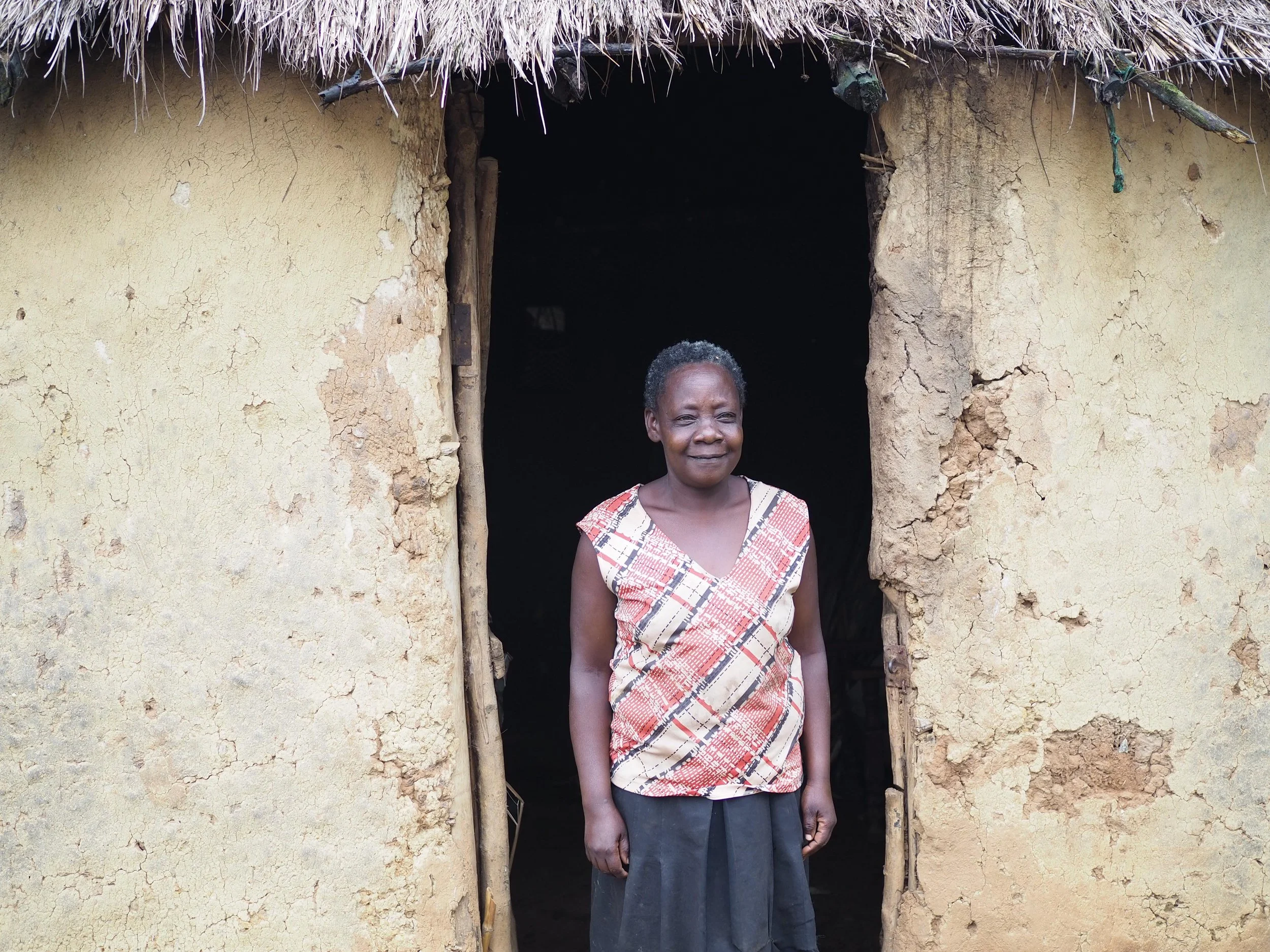
A widow’s life is never something one would choose. It is a painful, lonely road - one that stretches across time and space, touching every culture in different ways. But in some places, widowhood is more than grief; it is a stripping away of identity, security, and dignity.
I never fully understood this reality until I walked beside one of my best friends and ministry partners in Kenya after the tragic accident that took her husband’s life. I had known widowhood in my own way, but I had never imagined what it looked like in a culture where loss is not just mourned but questioned - where a woman can suddenly find herself an outcast, no longer certain of her place in the world.
Even as a Christian, she was not immune to the deeply rooted customs surrounding widowhood. Though she was not forced into traditional rituals, there was an unspoken uncertainty about how she would now be seen. Who would still welcome her? Who would turn away? Who would expect her to be inherited by another man? Would she lose her voice in the very ministry she had helped build?
These were not just abstract fears. They were the lived reality of so many widows before her - women who had lost not only their husbands but their homes, their rights, and their ability to make choices for their own lives. In this culture, a widower does not face these questions. He does not wonder if he will be cast out, if his presence will bring discomfort, or if he will still have a seat at the table. But for a widow, everything is uncertain.
This is why we do what we do. This is why we build homes - not just as shelters but as symbols of security, a place where a widow is safe and belongs. This is why we walk alongside these women, offering mentorship and leadership development, ensuring that they are not just recipients of aid but empowered to shape their own futures.
I have watched as widows reclaim their dignity. I have seen them rise, not just for themselves but for their children, whose futures often hang in the balance. When a widow is given stability, her children are fed, they stay in school, and they see what it means to stand strong in the face of loss.
This is more than charity. It is justice. It is restoration. And it is the very heart of the Gospel.
Would you stand with us? Would you help ensure that no widow walks this journey alone?
